Md. Saidur Rahman
Project Focal Person
- Education
- Master’s in Accounting
- Mobile
- 01716-528137
- saidursus@yahoo.com

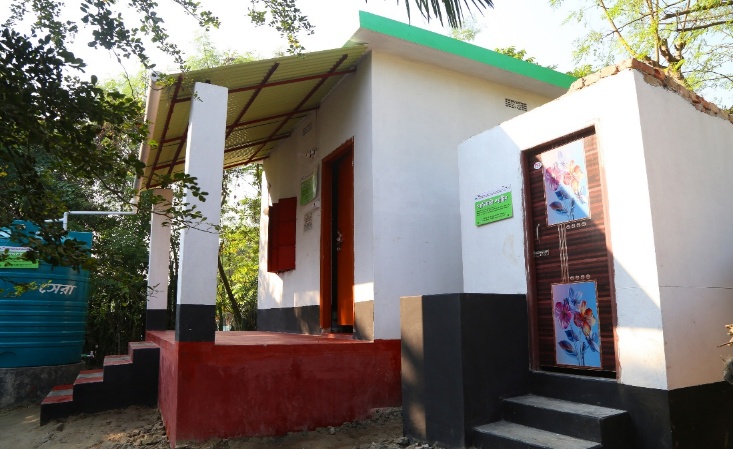
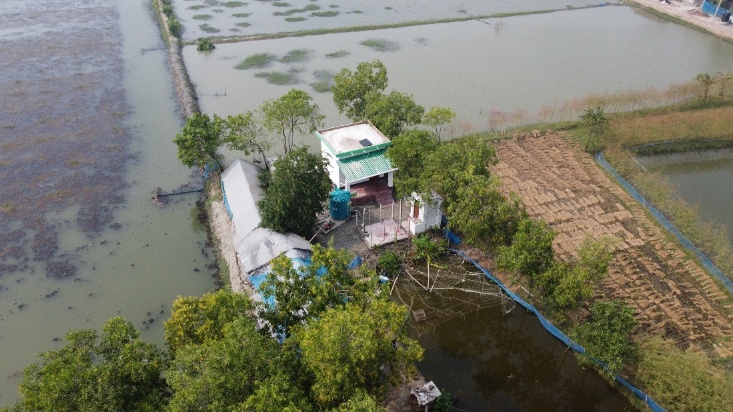
Resilient Homestead and Livelihood Support to the Vulnerable Coastal People of Bangladesh (RHL) Project
| Project/Program Name | Resilient homestead and livelihood support to the vulnerable coastal people of Bangladesh (RHL) Project |
|---|---|
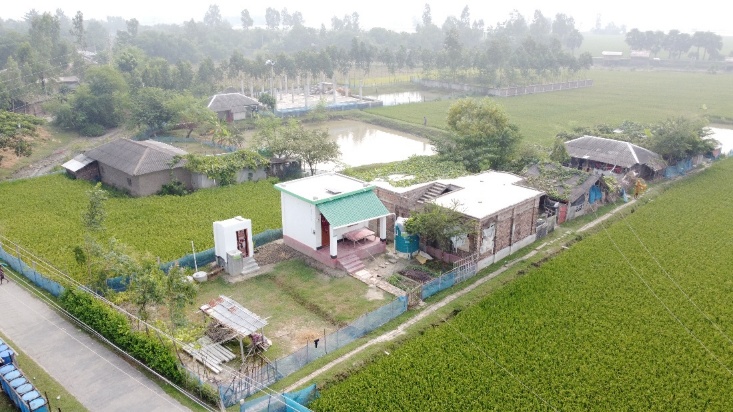
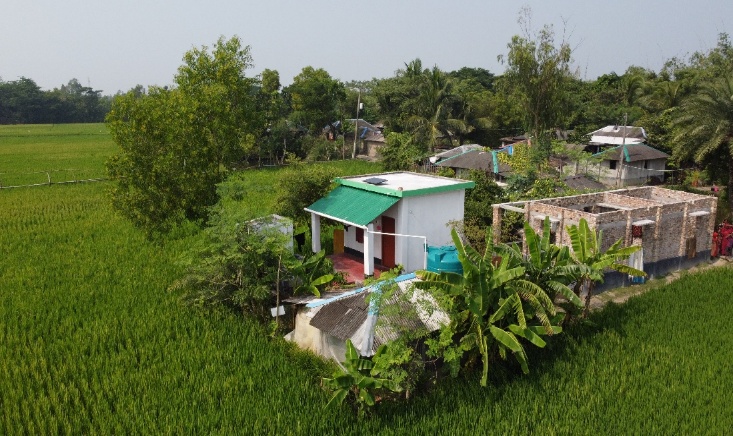
| Working Area | Satkhira District (Satkhira, Shyamnagar Upazila) and 05 Unions (Ishwaripur, Romjannagar, Koikhali, Nurnagar, Kashimari) |
| Duration | 3 Years and 8 Months |
| # of Beneficiaries | 3,500 |
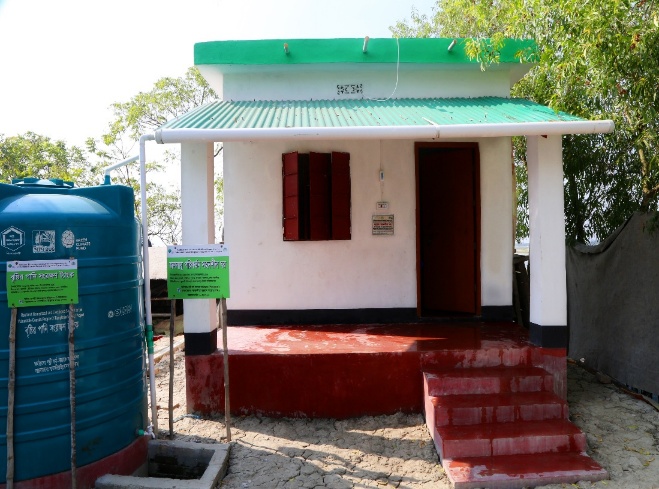
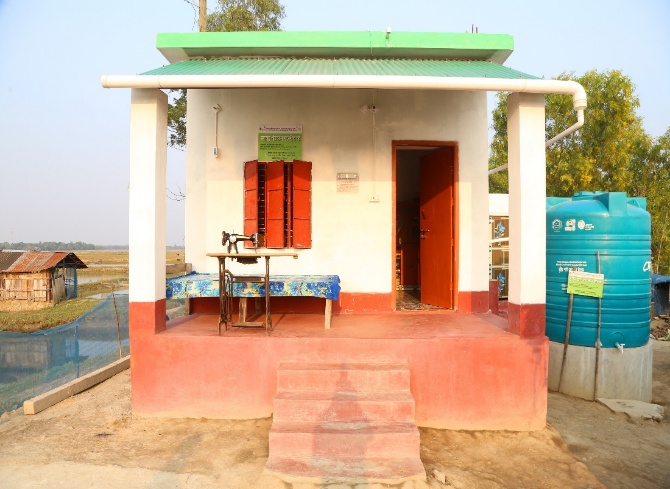
| Vision | The Vision of the Project is to develop a climate-adaptive coastal community in Bangladesh by adopting climate-resilient housing and livelihood technologies. The Project will also enhance the capacity of communities and organizations to address climate change impacts in their localities. |
| Mission/Objectives |
|
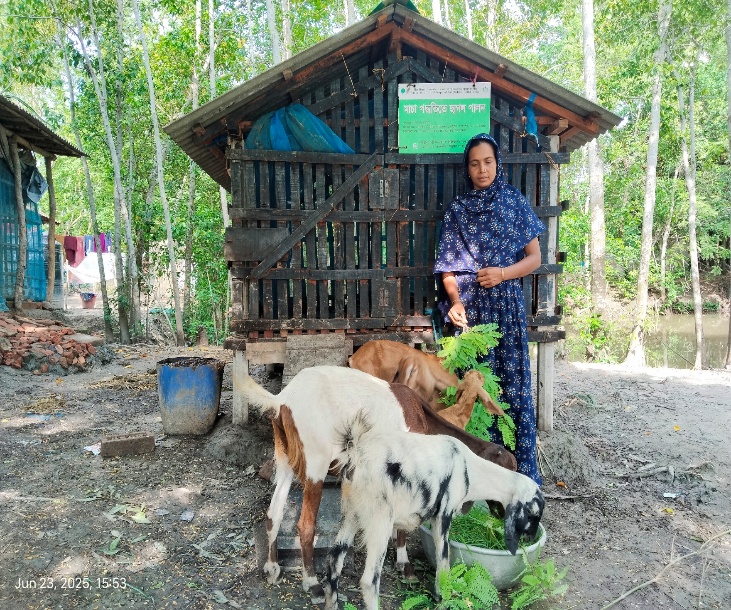
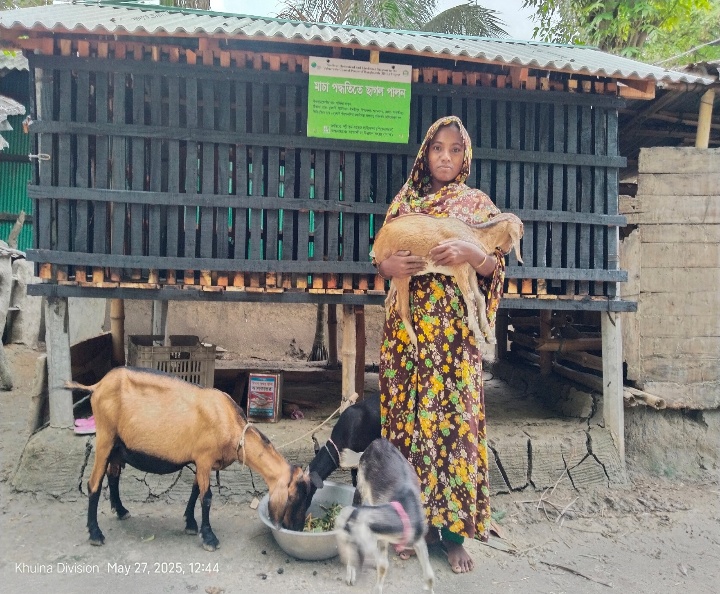
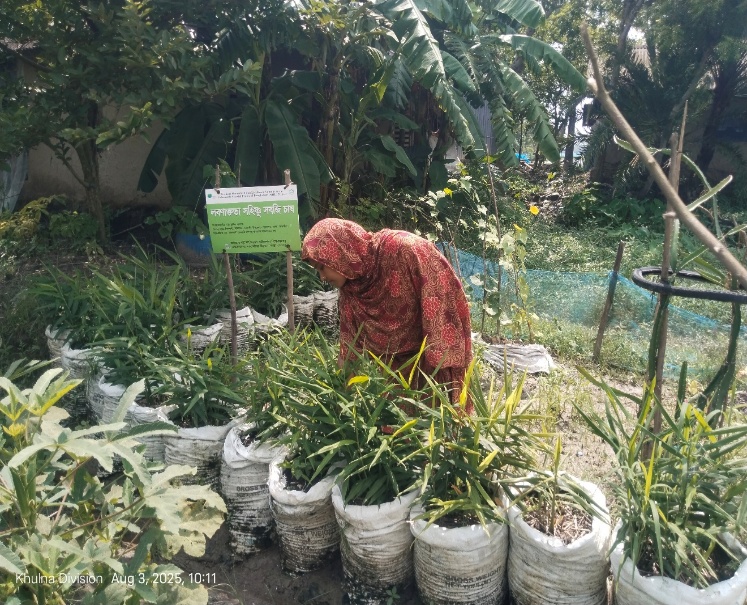
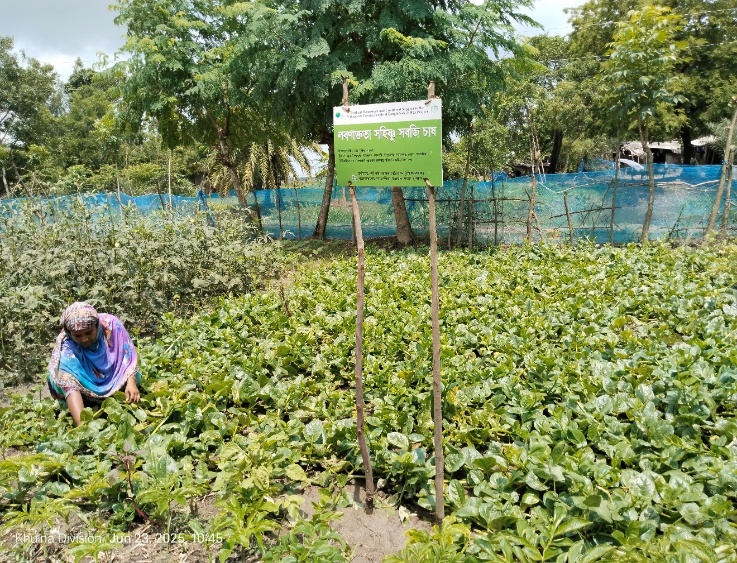
| Impact | The RHL Project aims to protect marginalized coastal communities from cyclones, storm surges, and salinity. It significantly enhances climate resilience through safe housing and adaptive livelihoods. |
| Outcome |
|
| Output |
|
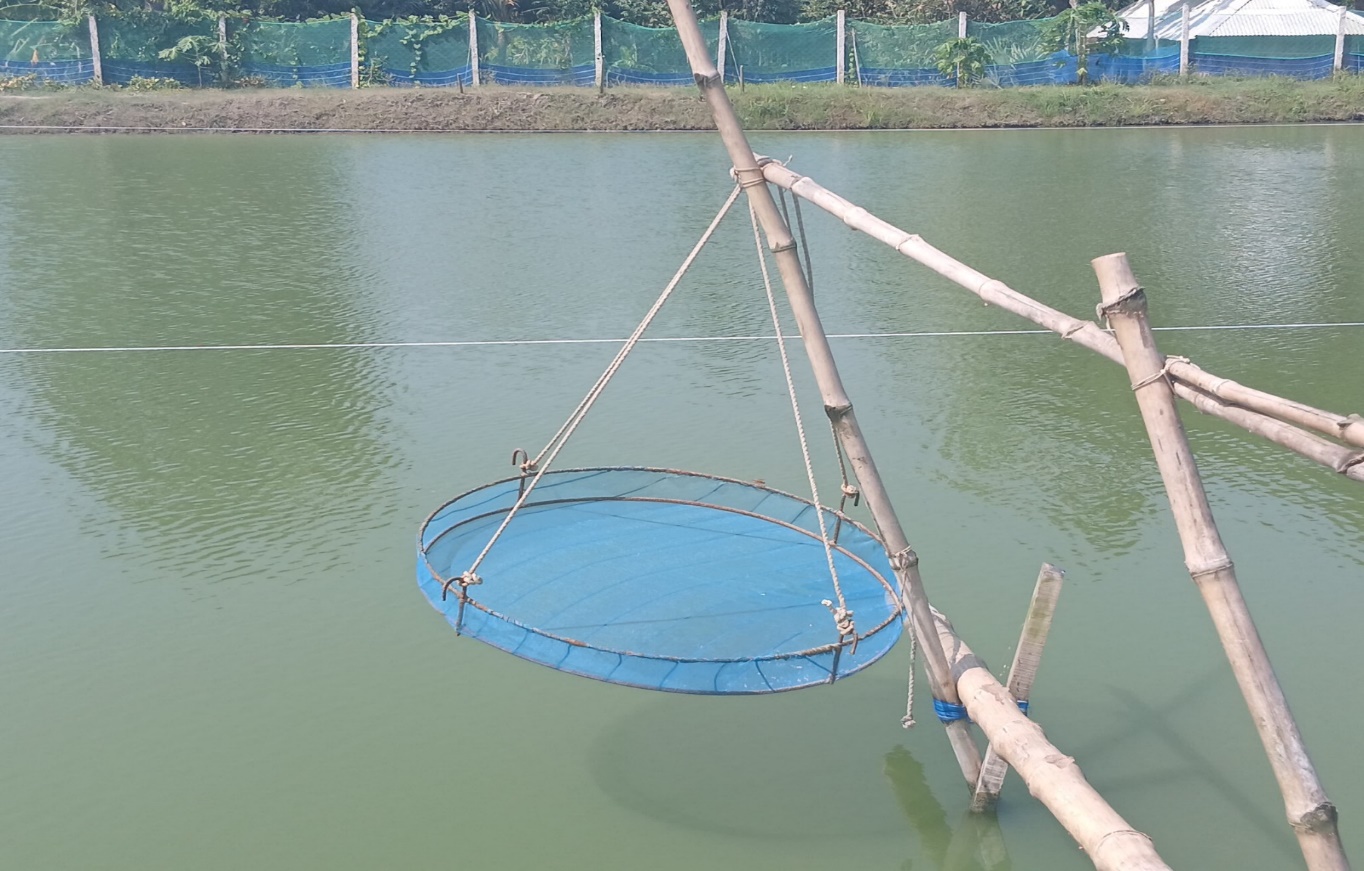
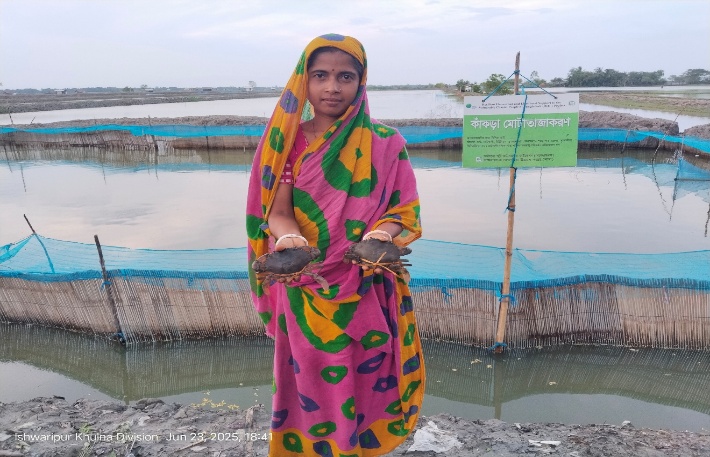
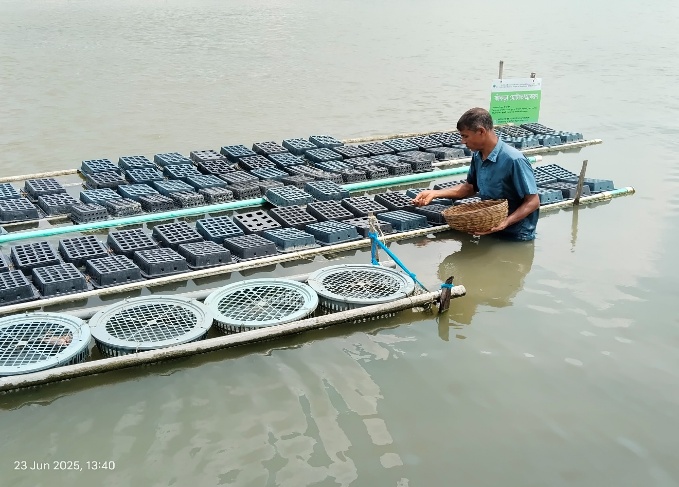
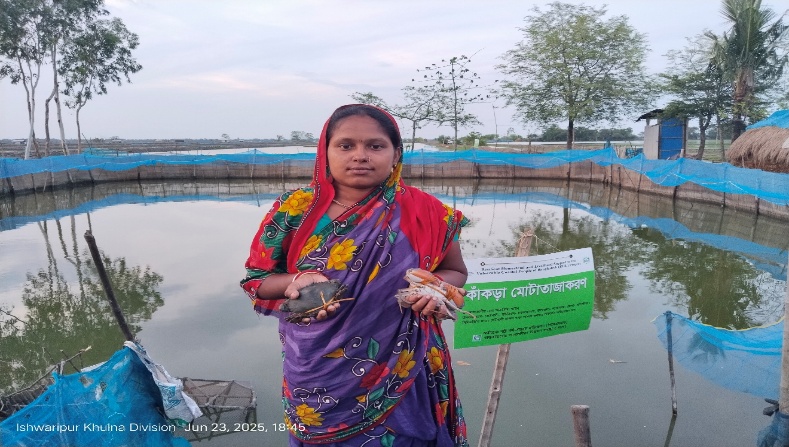
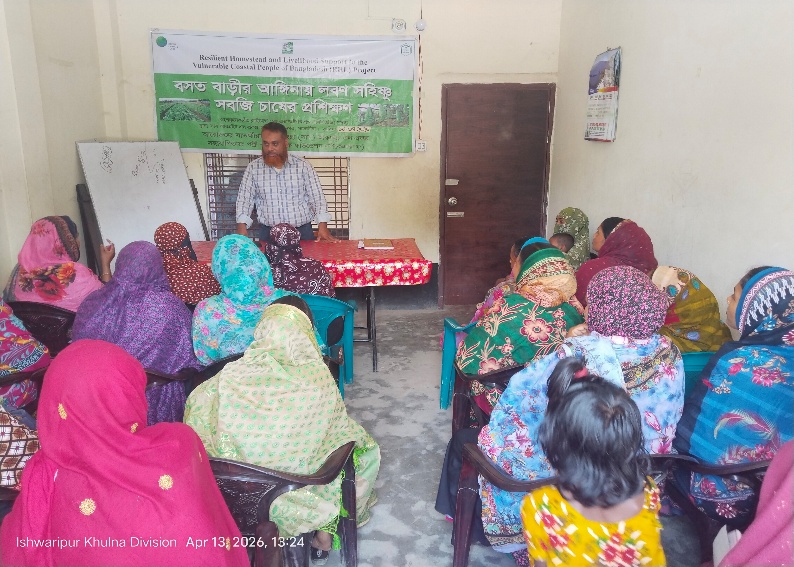
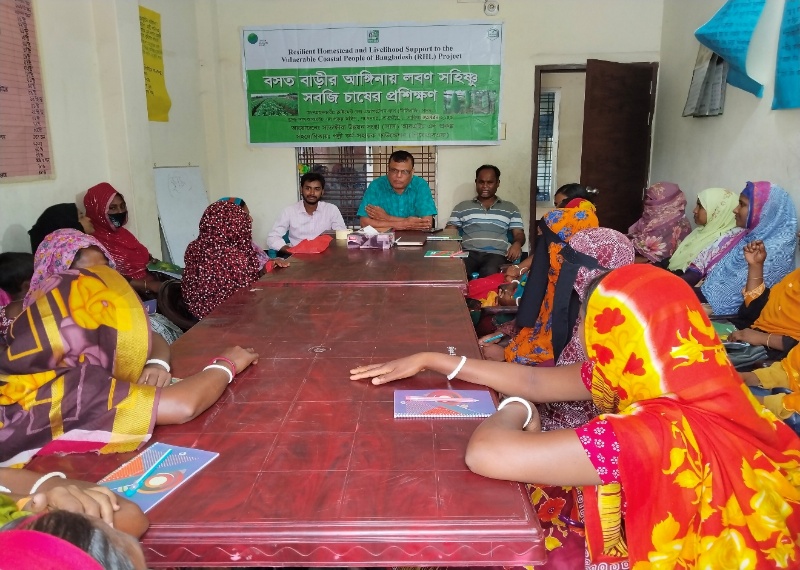
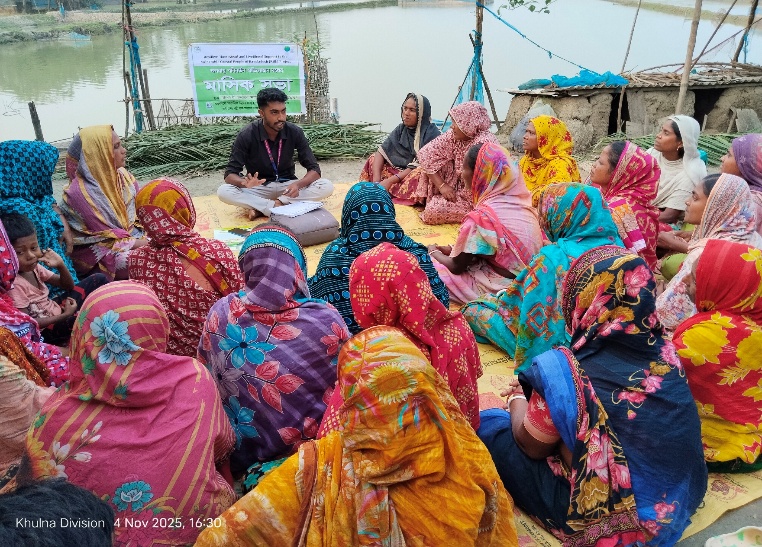
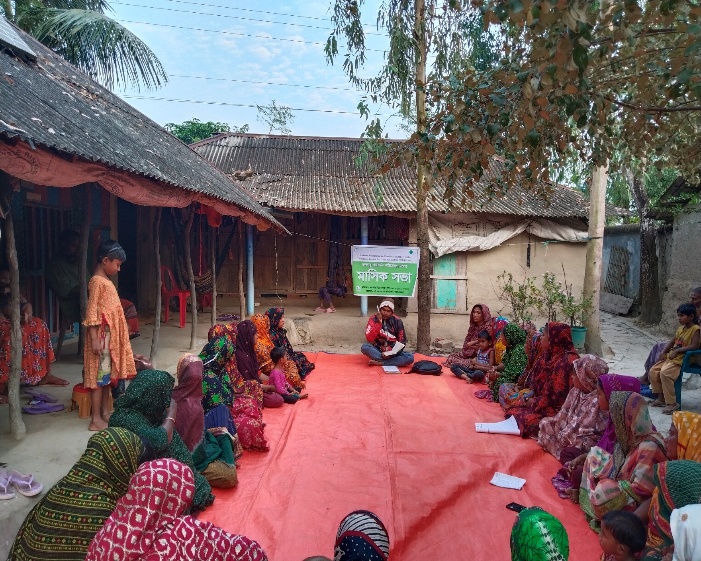
Project Focal Person
Technical Officer (Environment and Monitoring)
Admin and Accounts Officer
Community Development Officer (Civil)
Community Mobilization Officer (Forestry)
Community Mobilization Officer (Agriculture)
Community Mobilization Officer (Livestock)
Community Mobilization Officer (Fisheries)